Thorough Pool Maintenance: Maintain Your Pool Radiant Every Season
Detailed pool maintenance is crucial for every pool owner. It ensures a spotless and safe swimming area year-round. Regular upkeep not only improves water quality but also avoids costly repairs. Knowing the essential tasks involved can make a major difference. With the proper equipment and knowledge, anyone can manage their pool effectively. However, many overlook important aspects that could elevate their pool experience. What are these essential practices that can convert a standard pool into a clean oasis?
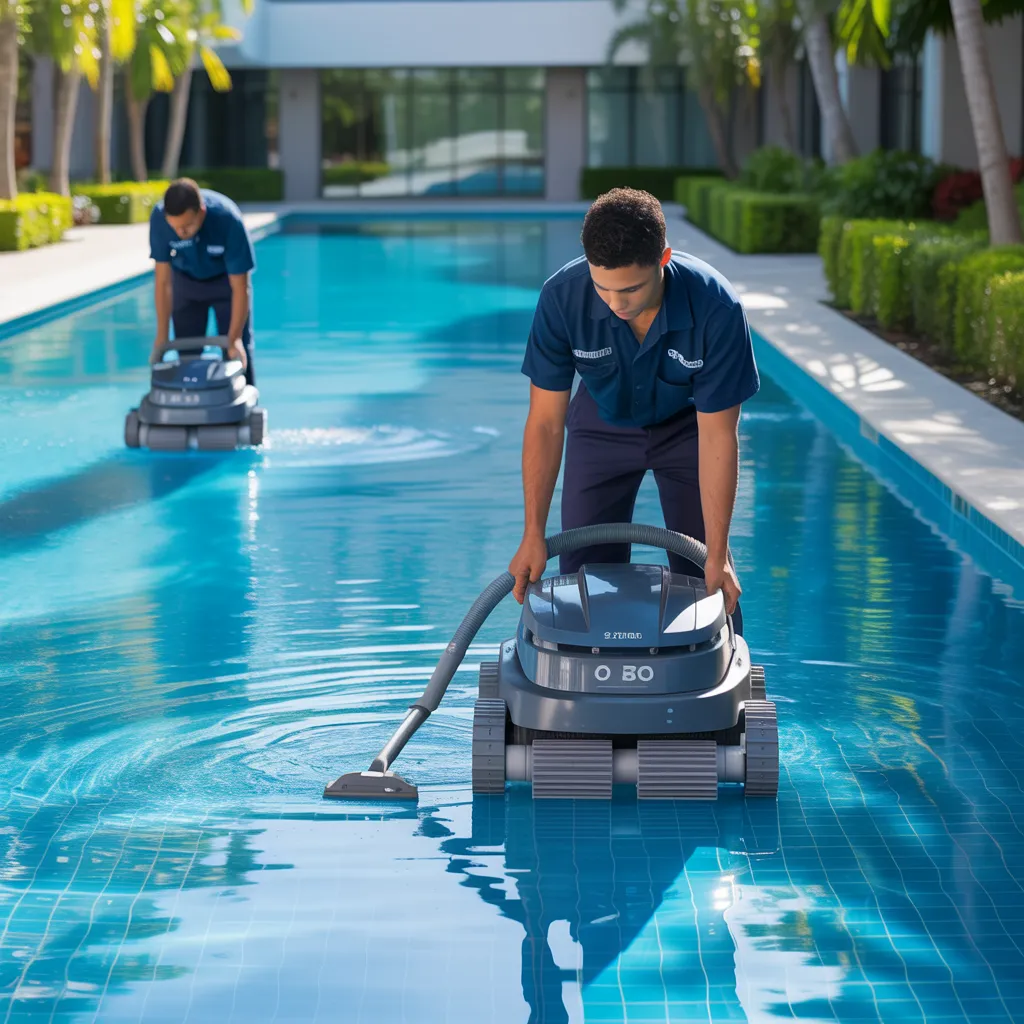
What Every Pool Owner Should Know About Maintenance
Maintaining a pool involves careful attention and knowledge of essential practices. Every pool owner should understand the importance of regular maintenance to guarantee water purity and protection. Routine tasks include testing chemical balance, which should be regulated to prevent algae growth and preserve swimmer enjoyment. Filtration systems need regular inspection, as they play a crucial part in maintaining water purity.
Homeowners should examine pool equipment and surfaces as well for damage or wear signs, quickly resolving problems to prevent expensive repairs. Frequent skimming and vacuuming function to remove debris affecting water quality.
Understanding seasonal swings is critical; readying a pool in colder climates can keep safe it from degradation. Insight of local regulations regarding pool maintenance can also lead owners in adhering to safety norms. To summarize, a proactive methodology to pool maintenance not only improves the swimming pleasure but also extends the life of the pool itself.
Essential Tools for Effective Pool Care
A properly outfitted pool owner recognizes that possessing appropriate equipment is essential for efficient pool care. Key instruments include a debris net, which efficiently removes debris floating on the water's surface, and a suction cleaner to clean the pool floor. A reliable pool brush is important for scrubbing the walls and steps, preventing algae buildup. Additionally, a water testing kit is necessary for tracking chemical levels, guaranteeing a safe swimming environment.
To maintain proper circulation, a good-quality pool pump is required, while a filter system maintains the water clear. Pool upkeep also benefits from accessories like a telescopic pole, allowing users to reach hard-to-reach spots. Finally, investing in a cover shields the pool from dirt and reduces maintenance time. These essential tools enable pool owners to care for their pools efficiently, making them clean and appealing throughout the year.
How Routine Cleaning Keeps Your Pool Crystal Clear
Maintaining a sparkling pool demands regular maintenance, which stops debris accumulation and ensures transparency of the water. A consistent cleaning routine and proper equipment are significant to this task. Recognizing how regular maintenance benefits your pool can enhance its look and lifespan.
Necessary Sanitation Items You Need
While taking pleasure in a crystal-clear pool is a pleasure for any homeowner, the correct maintenance tools are essential for maintaining it in lustrous condition. A reliable skimmer net is vital for taking out leaves and debris from the surface of the water. Additionally, a pool brush helps preserve tile and wall cleanness, thwarting algae development. A vacuum, whether manual or automatic, can swiftly clean the pool floor, confirming no dirt remains. Chemistry testing kits are also important for monitoring water chemistry, facilitating for timely adjustments. Finally, a pool cover can safeguard the pool from contaminants when not in use, cutting down overall cleaning time. Together, these tools construct the foundation for productive pool maintenance, contributing to a consistently attractive swimming environment.
Routine Pool Care Intervals
How often should a pool be maintained to maintain its shine? Regular maintenance is vital to guarantee an immaculate swimming space. Typically, pools should be skimmed and vacuumed each week to remove debris, foliage, and dirt. Furthermore, scrubbing the surfaces and floor at least once a week helps prevent algae buildup. Water chemistry should be tested two to three times a week to guarantee proper balance, while filters need maintenance or replacement according to manufacturer recommendations, typically every 1-3 months. Periodic thorough cleaning is also recommended, including thorough scrubbing and inspection of equipment. By sticking to this cleaning schedule, pool owners can keep a gleaming pool, reducing the likelihood of more extensive issues arising later.
Advantages Of Routine Maintenance
Consistent maintenance schedules not only enhance the aesthetic appeal of a pool but also play a vital role in its overall condition and longevity. Frequent cleaning avoids the buildup of waste, algae, and harmful bacteria, guaranteeing a safe environment for swimming. By promptly addressing these issues, pool owners can avoid costly repairs and extend the lifespan of their pool equipment. In addition, consistent cleaning aids in keeping water chemistry balanced, vital to stopping corrosion and scaling. A well-maintained pool also provides a more enjoyable swimming experience, as clear water and a clean surface are inviting. In the end, consistent maintenance is crucial to keeping both the function and appearance of a pool intact year-round.
Achieving Correct Pool Chemical Equilibrium: A Uncomplicated Guide
Balancing pool treatments is crucial for maintaining water clarity and safety. Key components include chlorine, alkalinity, and pH levels, all of which require consistent testing. Testing the water often and making required adjustments ensures a safe swimming environment.
Vital Chemical Building Blocks
Keeping a pristine and secure pool depends greatly on understanding essential chemical components. The primary chemicals used include chlorine, pH regulators, alkalinity increasers, and calcium hardness. Chlorine serves as a disinfectant, eliminating harmful bacteria and algae. Keeping the proper pH balance, ideally between 7.2 and 7.6, ensures optimal chlorine effectiveness and prevents skin discomfort. Alkalinity buffers help buffer pH variations, while calcium hardness stops corrosion and mineral buildup. Each of these components plays a vital part in general water condition and swimmer safety. Consistent care to these chemicals not only improves the pool's clarity but also extends the life of the pool and its equipment, rendering it essential for any more information pool owner to grasp their importance.
Testing Water Consistently
Periodic water screening is indispensable for sustaining superior aquatic settings and proper chemical balance in a pool. This tactic pinpoints deviations that can spark algae growth, cloudy water, or skin irritation. Testing should be implemented at least once a week, with increased checks during peak usage or extreme weather conditions. Key metrics to assess include chlorine levels, alkalinity, and hardness. Utilizing test strips or liquid kits, pool owners can obtain accurate readings and make considered determinations about necessary adjustments. Consistent testing not only strengthens the pool's appeal but also furthers the persistence of pool equipment. By stressing regular water testing, pool owners can establish a safe and inviting environment for swimmers throughout the year.
Balancing pH Levels
While a well-maintained pool furnishes an welcoming retreat, improper pH levels can undermine its general grade and swimmer comfort. pH levels have a crucial role in the effectiveness of disinfectants and the general health of the pool setting. Preferably, the pH should fall between 7.2 and 7.8. When levels fall below this range, water becomes acidulous, possibly causing skin discomfort and wear of pool equipment. In contrast, elevated pH levels can contribute in murky water and diminished disinfectant performance. Regular testing with pH strips or electronic testers is important. If changes are needed, adding pH booster (sodium carbonate) or pH decreaser (sodium bisulfate) can reestablish balance. Maintaining correct pH guarantees a safe and enjoyable swimming experience.
Fixing Your Pool Problems: Quick Solutions
Troubleshooting pool issues can feel challenging, but fast fixes often exist for frequent issues. For murky water, checking and adjusting pH and chlorine levels can usually bring back clear water. If the filter is malfunctioning, inspecting for blockages or swapping out the filter media may fix the problem promptly. When facing algae growth, shocking the pool with a chlorine treatment can quickly eliminate it, followed by scrubbing the walls and floor.
In cases of leaks, locating the origin is essential; using dye tests can help find small leaks around skimmers or fittings. For equipment that won't start, examining power sources and resetting timers often does the trick. Finally, if the pool's surface shows stains, using an appropriate cleaning solution or brush can help restore its appearance. By tackling these problems quickly, pool owners can keep a pristine and pleasant swimming experience throughout the year. shows stains, applying a suitable cleaning agent or scrub can help When leaks occur, determining the origin is important; using color tracing tests can help pinpoint small leaks around skimmers or fittings. For equipment that won't start, checking electrical connections and resetting timers often does the trick. Finally, if the pool's surface shows stains, applying a suitable cleaning agent or scrub can help restore its appearance. By addressing these issues swiftly, pool owners can maintain a clean and enjoyable swimming environment throughout the year.
Advice for Upgrading Your Pool's Pleasing Look
In what manner can pool owners redesign their outdoor space into a visually appealing oasis? One effective strategy is to blend surrounding landscaping. Lush greenery and colorful flower beds can generate a vibrant contrast against the pool's blue water. Additionally, using decorative planters with tropical plants enhances depth and interest.
Lighting plays an vital component as well. Underwater LED lights and strategically placed lanterns amplify the evening atmosphere, creating the pool area inviting after sunset.
Including elegant furnishings is another critical element. Cushioned lounge chairs, chic umbrellas, and elegant tables combine both functionality and attractiveness.
Lastly, contemplate adding artistic touches such as mosaics or sculptures. These unique features can serve as focal points, improving the overall design. By incorporating these elements, pool owners can create a enchanting environment that fosters relaxation and enjoyment all year round.
Popular Requested Questions
How Often Should I Check My Pool Water Chemistry?
Pool water composition testing should take place at least once a week during the swimming season. In cooler months, bi-weekly tests may be sufficient. Regular testing guarantees balanced water, promoting safety and ideal swimming conditions for users.
What Signals of Pool Algae Infestation Are Most Common?
Common signs of pool algae growth encompass murky or discolored water, slick surfaces, visible green or black spots on walls, and a pungent odor. Regular inspections can help identify these issues early, ensuring effective treatment.
May I to Use Ordinary Domestic Cleaners in My Pool?
Applying regular household cleaners in a pool is not wise. These chemicals can upset the water's chemical balance, likely endangering pool users and damaging pool machinery. It's optimal to use cleaning solutions specifically designed for pool care.
What Steps Should I Take to Prepare My Pool Successfully?
To winterize a pool effectively, one should reduce the water depth, clean the pool thoroughly, mix in winter chemicals, tightly cover the pool, and verify all equipment is drained and stored properly to circumvent damage.
How Can I Handle a Loud Pool Pump?
If the pool pump is producing sound, the proprietor should search for debris, ensure proper greasing, and assess the motor. If issues remain, seeking professional help or changing out the pump may be essential for adequate fixing.